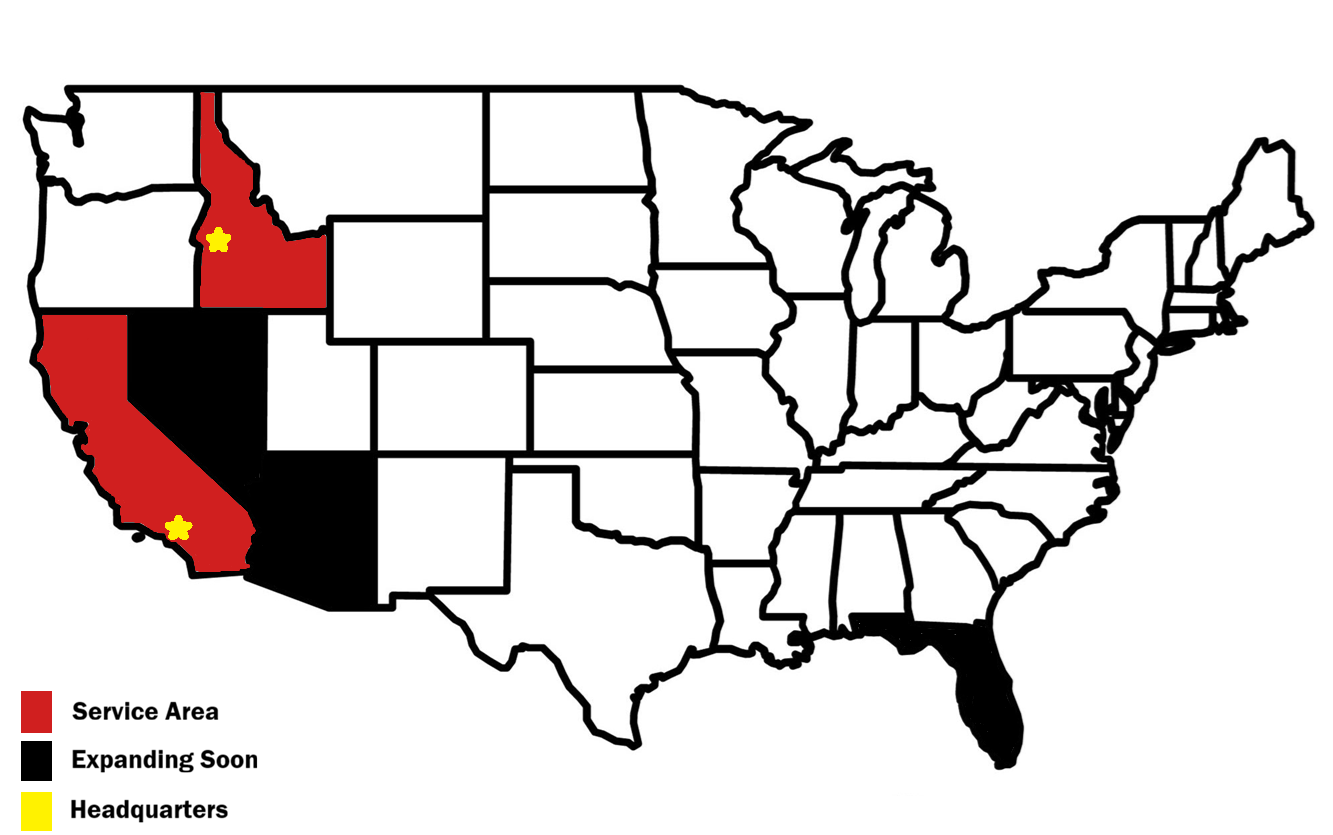

Ontario new construction demands fire sprinkler systems engineered specifically for building characteristics, occupancy classifications, and water supply conditions. Generic designs fail during hydraulic review or create liability exposure when systems cannot deliver adequate water to all coverage areas. Professional engineering begins with calculations that account for pipe friction, elevation changes, and simultaneous sprinkler activation scenarios that determine whether your system will control fires effectively.
WC Fire Protection, Inc. coordinates sprinkler installation with construction schedules to ensure pipes install at appropriate phases without conflicts with other trades. Timing affects installation efficiency and final system quality—installing too early risks pipe damage from other contractors, while delaying installation compresses testing schedules and creates occupancy delays. Effective coordination requires understanding construction sequencing and maintaining communication with general contractors and trade supervisors.
Why Hydraulic Calculations Determine System Effectiveness
Hydraulic calculations establish pipe sizes, pump requirements, and water supply adequacy for every protected area. These calculations determine whether the most hydraulically remote sprinkler receives sufficient pressure and flow when multiple heads activate during fires. Systems designed without proper calculations may satisfy visual inspections but fail catastrophically during actual fire conditions when water demands exceed available supply.
Testing validates design assumptions by measuring actual system performance. Flow tests confirm water supply adequacy, pressure measurements verify calculations, and alarm tests ensure proper notification when systems activate. Documentation from acceptance testing becomes part of building records and demonstrates to insurance underwriters that your system was installed correctly and performs as designed.
Get started now with trusted fire sprinkler design and installation in Ontario backed by thorough hydraulic engineering.
Fire sprinkler installation for new construction includes design development, permit coordination, material procurement, installation supervision, testing, and final documentation. Each phase requires specific expertise and attention to California code requirements governing sprinkler coverage, pipe materials, hanger specifications, and system accessories.
- Custom system design based on building occupancy and California fire code requirements
- Hydraulic calculations demonstrating adequate water delivery throughout protected areas
- Contractor coordination that schedules installation without delaying construction milestones
- Acceptance testing documenting flow rates, pressures, and alarm operation before occupancy
- Systems engineered for Ontario's water supply characteristics and pressure variations
New construction provides the opportunity to integrate fire sprinkler systems efficiently without the compromises that retrofit installations require. Proper planning during design phases creates systems that protect occupants effectively while minimizing installation costs and long-term maintenance requirements. Contact us today to schedule fire sprinkler installation in Ontario with comprehensive engineering and testing support.